
आब-ओ-हवा
Environment and Life
दिल्ली की कामगार बस्तियों में रहने वाले लोगों का मौसम के साथ एक ख़ास और गहरा ताल्लुक़ है। दिन का अधिकतर भाग ये लोग अपनी जीविका कमाने के लिए अपने घरों से बाहर गुज़ारते हैं। इनमें से कई लोगों का काम सड़क के किनारों पर, पेड़ों या फ्लाईओवर के नीचे, या कच्ची-पक्की दुकानों में होता है। इन बस्तियों के घर भी अक्सर जुगाड़ से बनाए हुए होते हैं। बिजली-पानी के कनेक्शन भी आधे-अधूरे होते हैं। ऐसे में पूरे विश्व में तेज़ी से बढ़ती गर्मी, सर्दी, सूखा और बारिश उनके जीवन को किस तरह प्रभावित करते हैं, यह इन कहानियों से आप जानेंगे। लोग इन बदलावों को किस तरह महसूस करते हैं? उनके जीवन, उनके शरीर, उनके मन और उनकी चाहतों पर इसका क्या असर पड़ता है?
In Delhi’s working-class settlements, people share a deep and intimate relationship with the weather. Much of their day is spent outside their homes, earning a living in the open. Many work along busy roadsides, under trees and flyovers, or inside small, makeshift shops. Their homes, too, are often built with improvisation — fragile structures held together by resourcefulness. Access to electricity and water remains partial and uncertain. Against this backdrop, rising heat, harsh winters, drought, and unpredictable rains — part of a rapidly changing global climate — shape everyday life in profound ways. Through these stories, we begin to understand how people experience these changes: how shifting seasons touch their lives, affect their bodies and minds, and reshape their hopes and aspirations.
हवा
Air
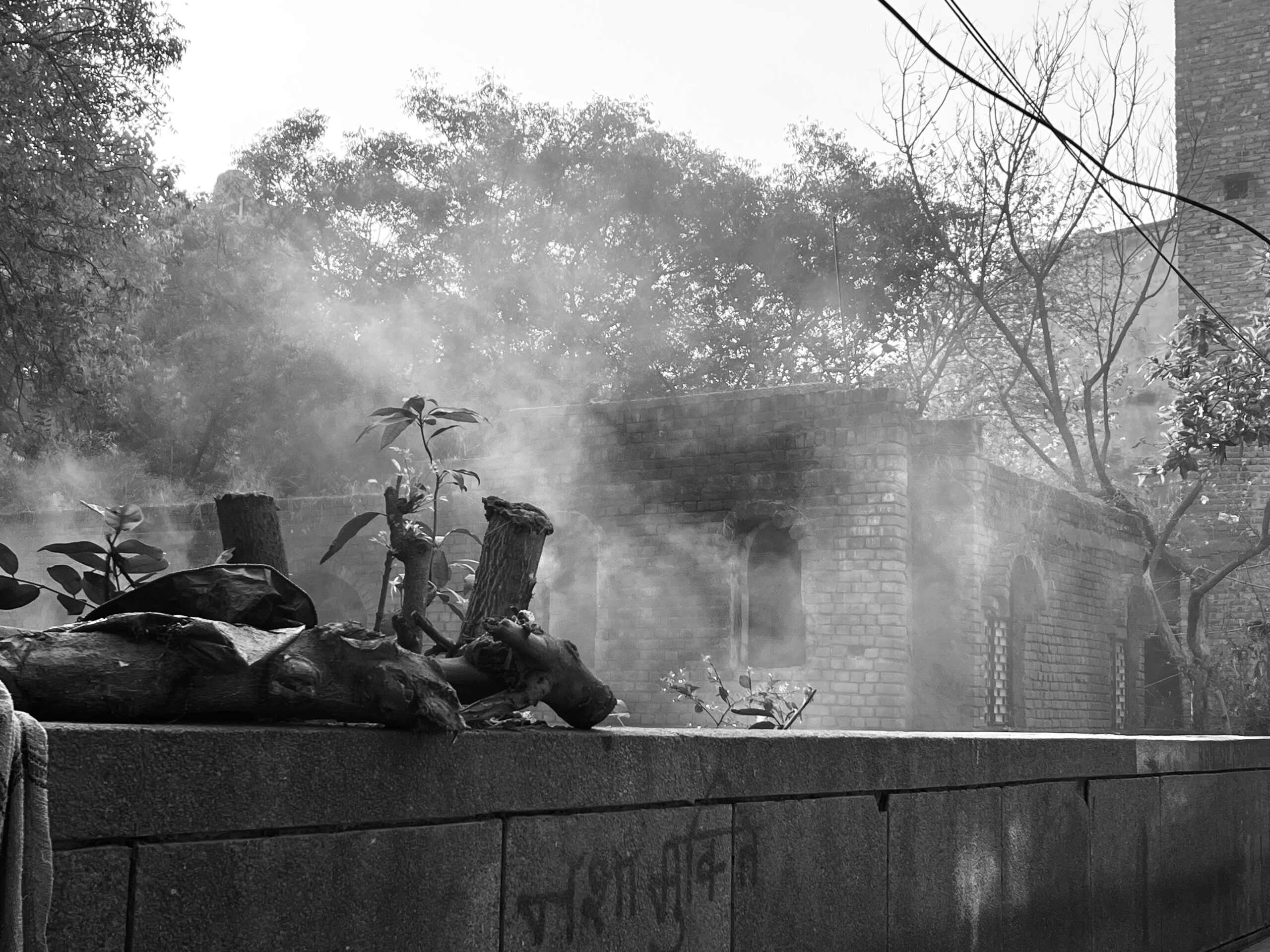
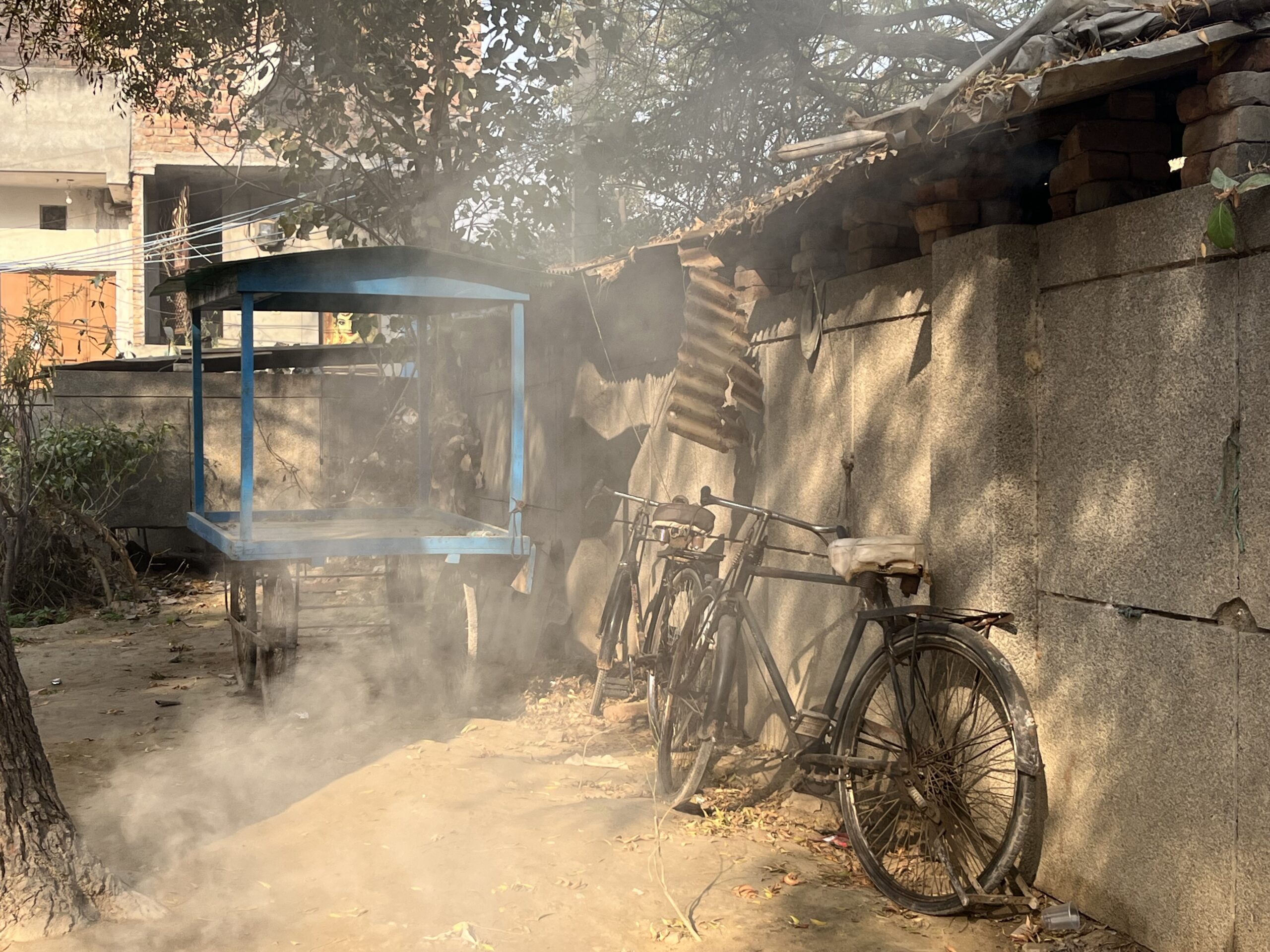
साँस लिए बिना इंसान जी नहीं सकता। लेकिन क्या दिल्ली के लोग साँस ले पा रहे हैं? खासकर वे लोग जो दिल्ली की सड़कों पर अपनी आजीविका कमा रहे हैं? जो बस्तियों के कच्चे-पक्के घरों में, अक्सर खुली नालियों के किनारे अपना जीवन बिताते हैं? सर्दियों में, जब दिल्ली के कोहरे में ट्रैफिक का धुआँ और जगह-जगह इकट्ठा मलबे की महक घुल जाती है, तब साँस लेना दूभर हो जाता है। जो इंसान स्वस्थ है, वह भी बीमार पड़ने लगता है — और बीमार लोगों का हाल तो पूछिए ही मत!
हवा तो है, इसलिए लोग साँस भी ले रहे हैं। मगर ये जीना भी कोई जीना है ?
Human beings cannot live without breathing. But are the people of Delhi truly able to breathe? Especially those who earn their livelihoods on the city’s streets — those who spend their lives in fragile settlements, in makeshift homes built along open drains. Every winter, a dense fog settles over the city. Traffic fumes linger. The smell of debris hangs in the cold air. Air, fog and smoke become one and breathing turns into an effort. Those who were once healthy begin to fall sick. And for those already unwell, each breath grows heavier than the last.
There is air, so people continue to breath, but is this life or a just a struggle to survive?
Stories coming soon
पानी-अफ़साना
The Water Saga
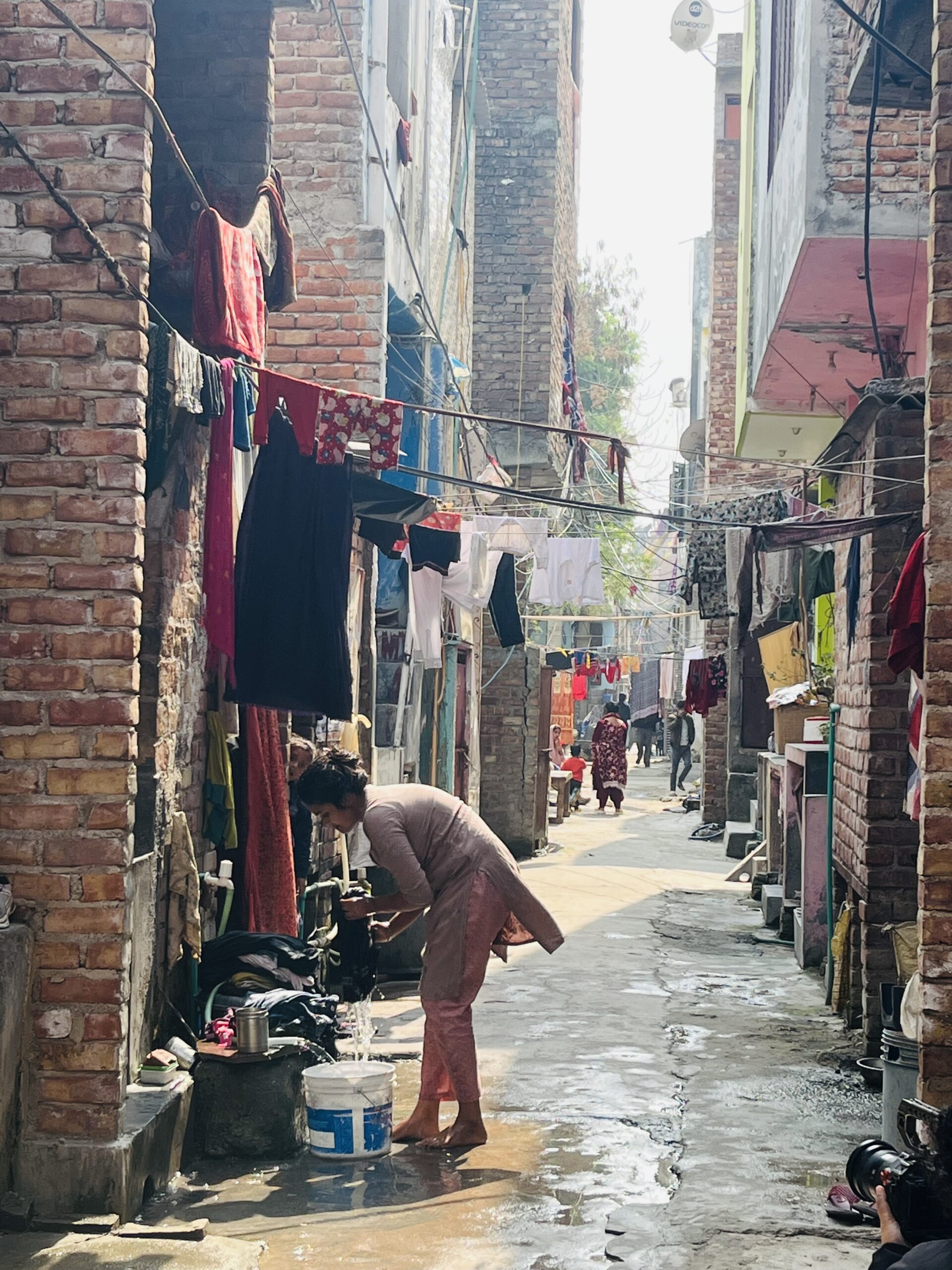
हम लोग अक्सर यह सुनते हैं कि अगला विश्वयुद्ध पानी को लेकर ही होगा। ये बात जो लोग कहते हैं, वे नहीं जानते हैं कि यह विश्वयुद्ध शुरू हो चुका है। शायद वैश्विक स्तर पर नहीं, लेकिन टुकड़ों-टुकड़ों में ग़रीब बस्तियों के मोहल्लों-गलियों में हर गृहिणी के लिए।
We often hear that the next world war will be waged around water. Those who say this, don’t realise that this war has already begun. Perhaps not globally, but it can be viewed in bits and pieces, amongst lives of the women in poor working-class neighbourhoods.
दिल्ली को ही लीजिए इस शहर में आज भी ऐसे इलाक़े हैं, जहाँ लोग पानी के सपने देखते हैं। पानी के आने का इंतज़ार करते हैं। पानी को पाने के लिए सब कुछ त्याग देने या अपने परिवार-पड़ोसी तक से लड़-झगड़ लेने और क़ानूनी-ग़ैरकानूनी किसी भी तरह से पानी हासिल करने की कोशिश करना, उनके रूटीन में शामिल है।
Let’s take a look at Delhi. In this city, there are many localities where potable water remains a dream. People spend their lives waiting for water. They are willing to give up anything to get some drinking water. They are willing to get into a fight with their family and their neighbours for it. They are willing to adopt any legal or illegal means to get water. All these techniques and tactics have become a part of their routine lives.
यहाँ एकत्र कहानियाँ पानी को लेकर रोज़ाना चल रहे मोहल्ला स्तर के विश्वयुद्ध का आँखों देखा हाल हैं। इसमें घटनाएँ हैं, स्थितियाँ हैं, नज़ारे हैं, रपटें हैं, कहानियाँ हैं… जिन्हें बार-बार देखा गया है, इसके बाद लिखा गया है।
The stories which are a part of this collection are eye witness accounts of the daily world war being waged in Delhi’s localities. These stories include events, occurrences, visuals, reports… which have been seen repeatedly and then documented.
गर्मी
Heat
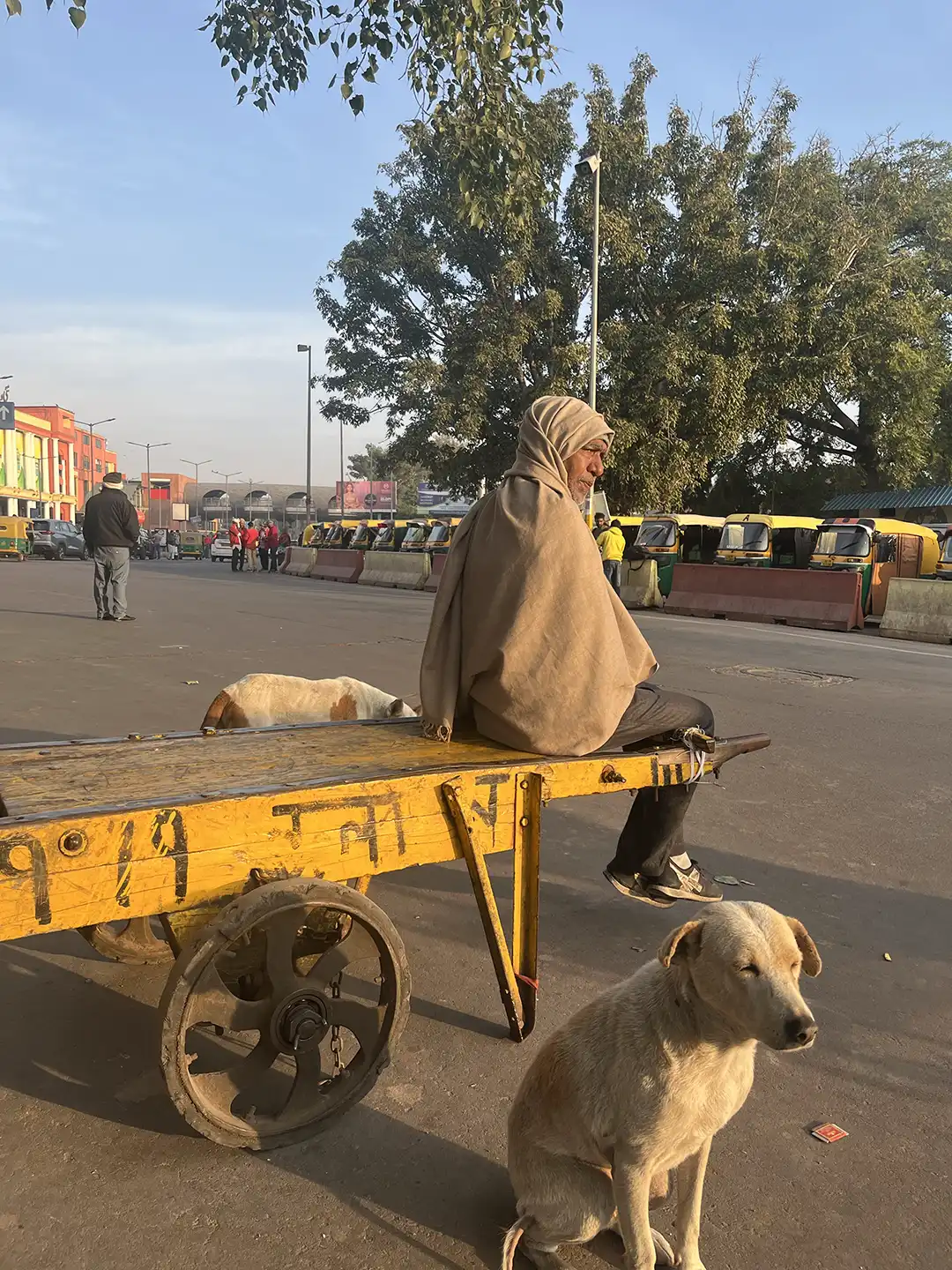
दिल्ली की चिलचिलाती गर्मी को जिस तरह से सड़क पर जीविका कमाने वाले, सब्जी बेचने वाले, मोची, झाड़ू लगाने वाले, नाई, दर्जी, चाय-नाश्ता वाले… महसूस करते हैं, वैसा कोई नही करता। सड़क किनारे पेड़ों से छाते टिकाये या तिरपाल लगाकर छाया बनाये, ये खड़ी धूपमें अपना काम करते रहते हैं। जैसे-जैसे दिल्ली शहर का तापमान बढ़ता है, वैसे ही शहर की एयरकंडीशन इमारतों में जगह न पाने वाले गरीबलोगों की मुश्किलें भी चढ़ती जाती हैं। फिर भी ये लोग अपने परिस्थितियों से जूझते हैं और अलग अलग तिगड़म लगते हैं। समय के साथ उनकेअनुभवों को कहानियों के रूप में संजोकर, यह अध्याय बताता है कि गर्मी का असर शहरी गरीबों पर कैसे पड़ता है और यह असमानता औरपर्यावरण न्याय जैसे मुद्दों के बीच उनके सामाजिक माहौल को कैसे असर करता है।
No one experiences the harsh summer heat of Delhi like the vegetable vendors, cobblers, sweepers, barbers, tailors, those selling tea and snacks, who strategically hinge umbrellas or tarps to trees by the roadside as makeshift shelters to escape the direct sun. As the temperatures soar, so does the suffering, succumbing and enduring of those who can’t find place in air-conditioned buildings of the city, and yet they negotiate and contest their circumstances. Consolidating their experiences into narratives told over a period of time, we learn how heat impacts the urban poor and shapes their social dynamics in the interstices where issues of inequalities cross with environmental justice.
Stories coming soon